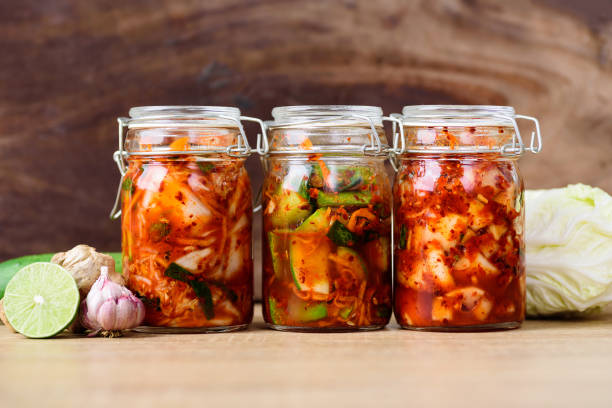
The Fermented Foods You Can Actually Find at an Idaho Farmers Market
The Fermented Foods You Can Actually Find at an Idaho Farmers Market
Fermented foods have had a slow, quiet moment for the past several years — and in 2026 they've officially crossed into mainstream conversation, driven largely by the explosion of interest in gut health and the microbiome.
What most people haven't figured out yet is that the best fermented foods — the ones made with real live cultures, real ingredients, and real fermentation time — aren't in the functional food aisle at the grocery store. They're at your local farmers market, made by people who have been doing this for years before it became a trend.
Here's what you might actually find, what to look for, and why it matters that you buy it from a local maker.
Why Local Fermented Food Is Different from Store-Bought
The fermented foods most people buy at grocery stores are a version of the real thing. Many commercial kimchis, krauts, and kombucha brands use pasteurization — which extends shelf life but also kills the live cultures that give fermented foods most of their gut health benefits.
Live-culture fermentation produces food that's genuinely alive — full of beneficial bacteria that haven't been cooked out, stabilized, or filtered. The shelf life is shorter. The flavor is more complex. The benefit is real.
When you buy fermented food from a local maker at the farmers market, you're buying something made in small batches with live cultures, real ingredients, and no industrial shortcuts. The difference is measurable — in taste, in texture, and in what it actually does for your microbiome.
What to Look For at Idaho Markets
Sauerkraut and fermented vegetables
Traditional lacto-fermented sauerkraut — made with cabbage, salt, and time — is one of the simplest and most effective fermented foods you can eat. Local makers often produce seasonal variations: caraway sauerkraut, beet and ginger, spicy jalapeño, fermented carrots and daikon.
What to look for: the jar should not be sealed with a vacuum lid if it's truly live. Real live kraut is still actively fermenting and needs to breathe slightly. Ask the maker: is this pasteurized? Live culture kraut needs refrigeration and has a natural, pleasantly sour smell when you open it.
Kimchi
Small-batch kimchi from local makers is a completely different product from what you'll find in most grocery stores. Spice levels, fermentation time, and ingredient combinations vary dramatically between makers. Some are mild and sweet. Some will clear your sinuses in the best possible way.
Ask: what's in it and how long has it been fermenting? A well-made kimchi from a local maker will have complex layered flavor — not just spice, but funkiness, depth, and brightness all at once.
Kombucha
Local kombucha brewers show up at farmers markets across the Treasure Valley and bring varieties you simply won't find at a grocery store — seasonal flavors using local herbs, fruit, and botanicals. Huckleberry, lavender, rhubarb, elderflower.
Live kombucha is slightly fizzy, a little tangy, and noticeably different from the heavily sweetened commercial versions. Look for bottles that are sealed but not vacuum-sealed, and ask about the SCOBY (symbiotic culture of bacteria and yeast) that was used. Local brewers are almost always happy to talk about their process.
Sourdough bread
Real sourdough — made with a wild yeast starter and given adequate fermentation time — is technically a fermented food. The long fermentation process breaks down gluten and phytic acid in ways that make the bread more digestible for many people who struggle with conventional bread.
Real sourdough has a slightly sour smell and flavor, a chewy crumb, and a thick crust. It also stales and molds faster than commercial bread — which is the sign that nothing was done to artificially extend its life. Local bakery vendors at Idaho markets often bring genuine sourdough made with properly maintained starters.
Raw apple cider vinegar
Sometimes found at markets from local apple producers or specialty food makers — raw, unfiltered apple cider vinegar with the "mother" (the live culture) still in it. This is a very different product from pasteurized commercial vinegar and has a wide range of culinary uses beyond just salad dressing.
How to Talk to a Fermented Food Maker at the Market
Three questions worth asking any fermented food vendor:
"Is this live culture or pasteurized?" This is the most important question. Live culture = active beneficial bacteria. Pasteurized = longer shelf life but the live cultures have been killed.
"What are the ingredients?" Real fermented food has simple ingredients — vegetables, salt, spices, water, starter culture. If the ingredient list is long or includes preservatives, it may not be what you're looking for.
"How long did it ferment?" Longer fermentation time generally means more complex flavor and more developed culture. A kraut fermented for three weeks is different from one fermented for three days.
Start Small
If you haven't eaten a lot of fermented food before, starting with large quantities isn't necessary or recommended. Your gut microbiome adjusts to new cultures over time, and introducing too much too fast can cause temporary digestive discomfort.
Start with a tablespoon of sauerkraut a day on the side of your meal. Try a small glass of kombucha with lunch. See how your body responds before going bigger.
The goal isn't volume — it's consistency. A small amount of live-culture fermented food eaten regularly does more for your gut health than a large amount eaten occasionally.
Happy Idaho connects Idaho consumers with the local makers and food producers doing the real work. Browse your nearest market and find local fermented food producers at happyidaho.com/find-local
