A Saturday Morning at a Farmers Market — What to Expect If You've Never Been
A Saturday Morning at a Farmers Market — What to Expect If You've Never Been
If you've never been to a farmers market, there's a version of it in your head that might be slightly off.
You might be picturing something very organized, with a clear layout and a way to find what you're looking for, like a grocery store. Or something slightly intimidating, where everyone seems to know everyone and you're not sure of the etiquette. Or something expensive, where you leave having spent more than you expected.
Here's what it's actually like.
What You'll Find When You Get There
Farmers markets are genuinely different from each other — a small Tuesday evening market in a park has a completely different energy than a large Saturday market in downtown Boise — but most of them share the same basic structure.
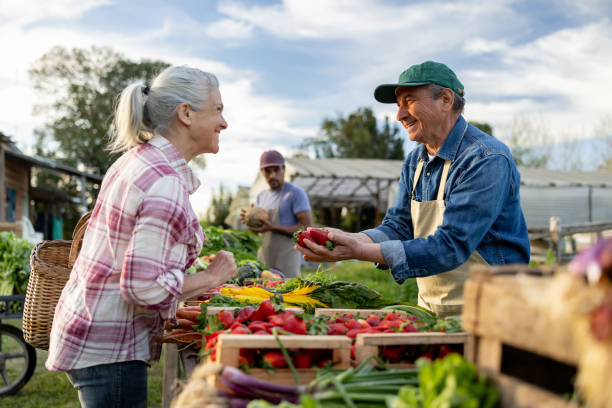
Rows of vendor stalls, usually under white or colored tents, arranged in a grid or along a street. Vendors standing at their tables with their products displayed in front of them. Other shoppers moving through at whatever pace they want — some with purpose, most just wandering.
There's usually live music at the bigger markets, or at least background noise from the crowd and the vendors and the surrounding neighborhood. There are often food trucks or ready-to-eat vendors mixed in with the produce and craft stalls, which means breakfast, lunch, lemonade or coffee is usually available on-site.
The atmosphere is unhurried in a way that most shopping experiences aren't. Nobody is going to rush you. There's no checkout line to hold up. You can stand at a vendor's table and look at everything they have for as long as you want, and that's exactly what you're supposed to do.
What to Bring
Cash and a card. Most vendors now accept cards through Square or similar payment systems, but some don't. Having a small amount of cash makes everything smoother and is appreciated by smaller vendors for whom card processing fees add up. I personally bring cash, because cash is king. Make sure you run to the bank before your next market stop to help our vendors avoid processing fees.
Bags. Tote bags, canvas bags, backpacks — something to carry what you buy. Most markets are moving away from plastic bags, and even the ones that aren't have vendors who don't carry them. Bring your own and you're set. I like roller bags or wagons because we do our primary shopping at markets.
An appetite. Not literally, though showing up hungry helps. I mean: come ready to discover something you didn't know you were looking for. The best market purchases are rarely the things you came to buy.
No agenda beyond showing up. The markets that feel overwhelming are the ones where you're trying to replicate your grocery run. The ones that feel great are the ones where you've given yourself permission to just wander and see what looks good.
The Etiquette (It's Simpler Than You Think)
You can touch most things. Especially produce. Picking up a tomato to feel its weight or smell it is normal and expected. If something seems delicate or display-only, the vendor will usually have it set apart from the items for sale.
You can sample things. If samples are out, they're for you. Take one. If you want to try something that isn't displayed as a sample, ask — most vendors will offer one happily. Trying before you buy is part of how markets work.
You can ask questions. This is the most underused thing at markets. The person behind the table grew or made what you're looking at, and almost all of them love talking about it. "What do you do with this?" and "How did you get into this?" are both perfectly fine questions that usually lead to good conversations.
You can walk away without buying. Nobody expects you to purchase something just because you stopped and looked. Browse freely. Come back to things you liked. Leave what you don't want.
You can come back next week. Most market vendors are there every Saturday or on a regular schedule. If you find a vendor you love and can't carry more home today, come back. They'll be there.
Don't be afraid to ask about their website or social media. Most vendors will post their menus, price lists, or what they plan on bringing to market so you can prepare. This is a great way to support them if they pop up at other markets or events.
What to Do When You Get Home
This is the part most first-timers skip and it makes a big difference: use what you bought quickly.
Farmers market produce is at or near peak ripeness when you buy it. That's its great advantage over grocery store produce — and also why it doesn't keep as long. A farmers market peach that was perfect on Saturday might be past its best by Tuesday.
Build your meals around what you bought at the market rather than fitting market purchases into your existing meal plan. It's a small shift and it changes your whole relationship with seasonal eating.
Where to Find Markets Near You
Idaho has farmers markets across the state — in Boise, Meridian, Nampa, Caldwell, Twin Falls, Idaho Falls, Coeur d'Alene, Sandpoint, Lewiston, and beyond.
Happy Idaho keeps an updated calendar of markets and local food events statewide. Find what's happening near you, check the schedule, and show up this Saturday.
→ Browse the Idaho Market Calendar at happyidaho.com/find-local
One Last Thing
Go to a market and buy one thing you've never bought before. Not because it's good for you or virtuous or the right thing to do — because you're genuinely curious about it.
Ask the vendor how they'd prepare it. Go home and try it. See what happens.
That's all a first trip to a farmers market needs to be. The rest takes care of itself.
